
Workout tracking
How to Track Your Gym Workouts Without Slowing Them Down
A practical workout logging system: what to record, when to record it, and how to review the result without turning training into data entry.
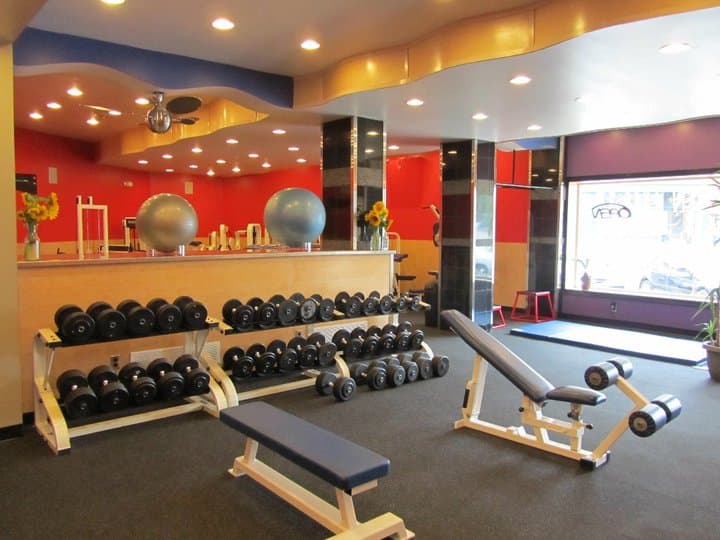
Photo: Bruce Tanner / Wikimedia Commons · Public domain
Record the facts you will use
A useful workout log is not the most detailed log. It is the smallest reliable record that helps you repeat, adjust, and review training.
For a typical strength session, start with the exercise, set type, load, repetitions, and whether the set was completed. Add RPE or RIR only if you can apply the scale consistently. Use notes for information that may change a later decision: a deliberate tempo, a shortened range, a machine setting, or a reason the session ended early.
Avoid turning every sensation into permanent data. A log should reduce uncertainty next time, not create a second workout after the workout.
Log between sets
Enter a set as soon as it finishes, before the next warm-up or conversation erases the detail. This is also a natural moment to start the rest timer.
If your plan called for 80 kg for eight repetitions and you performed six, record six. The completed workout is a historical fact; the routine remains a plan. Keeping those roles separate makes later progress views more trustworthy.
Keep units and exercise identity stable
Use a consistent exercise name and unit. Switching between similar names can split one movement across multiple histories. A good tracker should store a canonical unit and convert only at input and display boundaries, so changing from kilograms to pounds does not rewrite the underlying performance.
Review one question at a time
After several sessions, use the log to answer a specific question:
- Did the same load move for more repetitions?
- Is weekly volume rising because sets increased, weight increased, or both?
- How often was the planned movement actually trained?
- Did an unusually hard set affect the next exercise or next session?
A streak or estimated one-repetition maximum can provide context, but neither is a complete assessment of training quality.
If you are starting with a spreadsheet, use the free workout log template. You can also check one set with the one-rep max calculator or compare like-for-like work with the training volume calculator. Keep the original set details beside either estimate.
Make the system survivable
The best logging method is one you can keep using on a crowded gym floor, with poor reception, during a difficult session. Prefer immediate persistence, unfinished-session recovery, clear touch targets, and an offline path. Export your data periodically if the history matters to you.
Workout tracking is a record-keeping practice, not medical advice or a guarantee of results. Choose training appropriate to your health, experience, and environment.