
How to Start Tracking Fitness Progress Without Tracking Everything
Choose a useful starting point for fitness progress: a few exercise results, a weekly record and optional measurements, with examples you can use.
Read the guideGetting your next view ready…
The Jijibisha Journal
Practical guides to fitness progress, exercise records, measurements and consistency. Clear examples to help you understand your own history.
Lead
Choose a useful starting point for fitness progress: a few exercise results, a weekly record and optional measurements, with examples you can use.
Read the guideLatest
Everything published
No listicles, no manufactured urgency, no invented research. Each guide states its limits.
Keep optional body measurements organised with clear dates, units and labels. Build a readable history without turning every change into a judgment.
Read body-weight history as dated observations. Check units, entry order and measurement context before interpreting a change between two scale entries.
Compare machine exercise records using the same equipment and setup. Keep stack labels, seat settings and changes of gym visible in your training history.
Understand weight × reps totals in your workout log. Check sets, exercise choice and load conventions before interpreting a higher training-volume number.
Understand local fitness records, optional accounts, exports and progress photos. Keep control of your data without assuming every copy is a backup.
Choose a clear dumbbell logging convention and keep it consistent. Avoid doubling your history by mixing per-hand weight with combined weight entries.
Separate actual recorded bests from an estimated one-rep max. Read weight, repetitions and dates together before treating a progress number as a target.
Make progress photos easier to compare with consistent framing, honest dates and privacy choices. Keep them as an optional part of your fitness record.
Log assistance and repetitions together for assisted pull-ups. Understand why less assistance differs from more lifted weight and keep machine changes clear.
Keep a useful bodyweight exercise log with repetitions, clear variation names and notes. Compare push-ups, pull-ups and other movements without fake loads.
Keep cardio distance, duration and conditions together. Compare similar routes or machine sessions and avoid confusing a longer session with a faster one.
Make loaded-carry records comparable by keeping weight, distance and time together. Use clear per-hand conventions and note route or equipment changes.
Track timed exercises with clear duration entries, consistent variations and useful notes. Learn what a longer recorded hold does and does not tell you.
Return to progress tracking without deleting your earlier history. Keep the gap visible, record a new starting point and compare dates and context fairly.
See rep progress before the weight changes. Keep completed sets separate, compare the same exercise setup and understand what a heavier set leaves out.
Use a weekly training-day record that leaves room for rest and changing schedules. Understand missed days, duplicate sessions and current-goal comparisons.
Review your training week without overthinking every number. Check consistency, compare like-for-like exercise results and choose what to record next.
Keep workout and body measurements accurate when switching between kilograms and pounds. Check units, rounding and equipment labels before comparing history.
Write shorter, more useful workout notes about equipment, variations, exercise order and completed work. Keep the context that explains your progress.
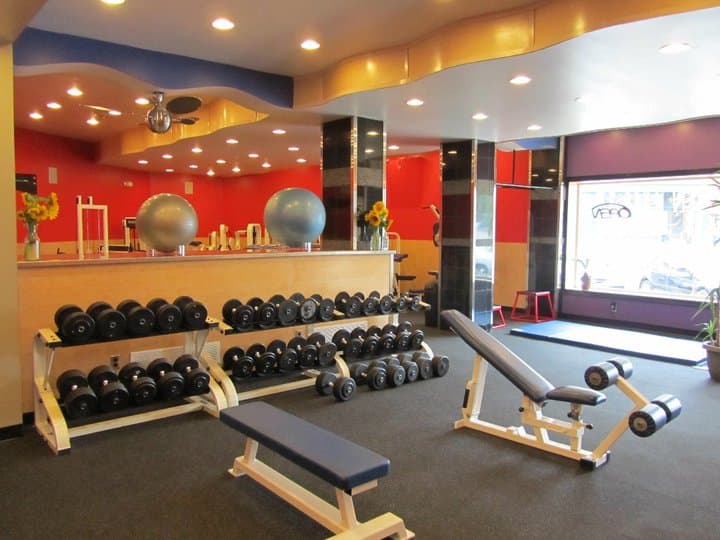
Learn how progressive overload works and how to build strength by adding weight, reps, sets, or better technique without rushing your progress.
A practical workout logging system: what to record, when to record it, and how to review the result without turning training into data entry.

Use completed sets, rep performance, estimated strength, and training context to review progress without mistaking an estimate for a test.

Understand rating of perceived exertion and repetitions in reserve, how the scales relate, and where their precision ends.

See how an offline workout tracker keeps your session moving through weak Wi-Fi, dead zones, and account-free training.
Find it
Start with your question
Search the Journal, the help centre and all 873 exercise guides at once.
Browse by goal
Exercise
Exercise of the week
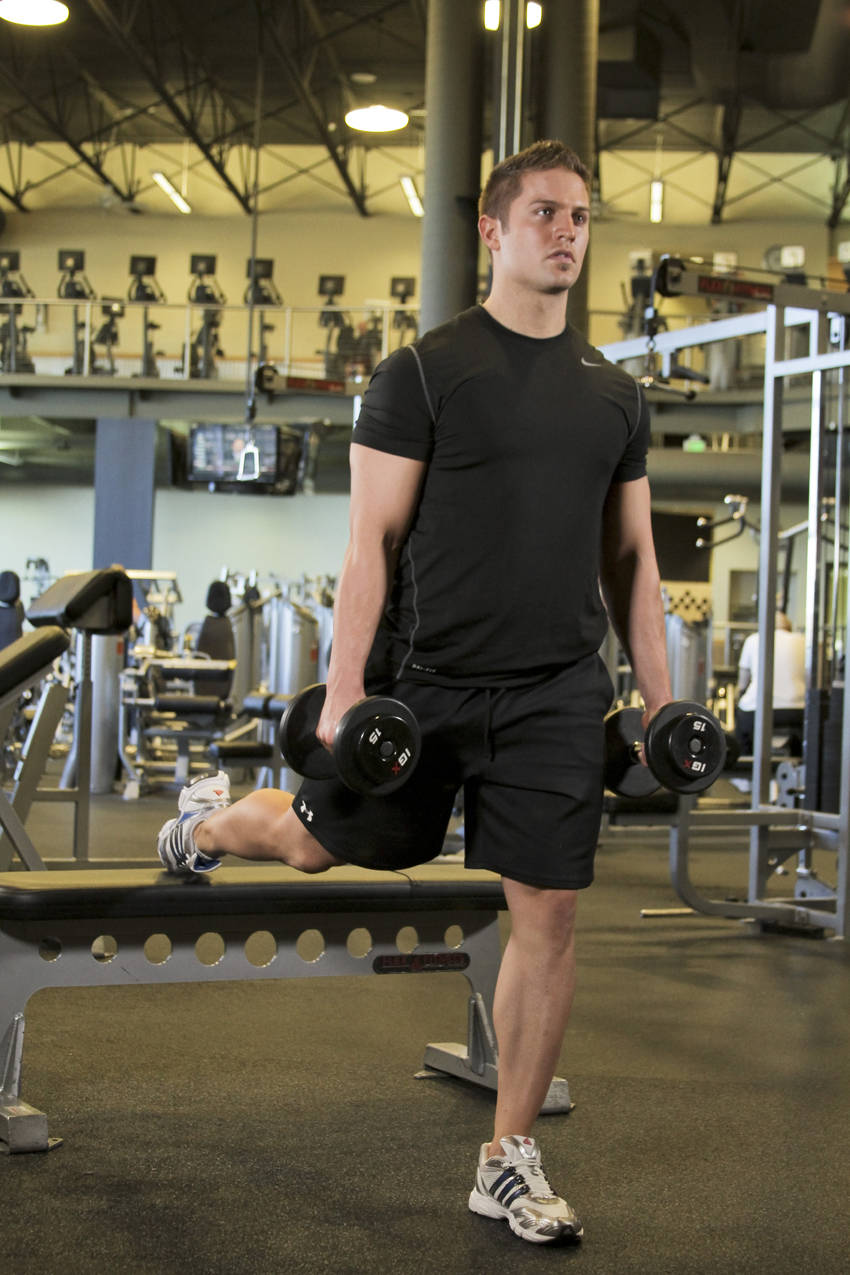
A unilateral leg exercise that builds strength, control and balance without an elaborate setup.
Standards
Our editorial standard
Jijibisha publishes practical general fitness education, separates evidence from interpretation, corrects material errors, and says plainly where a topic needs qualified review. We do not publish fake transformations or promise fast results.
Read our health guidanceGet the app
The Journal explains why. Jijibisha helps you plan the work, record what happened, and come back with better information.