Breathing
Exhale as you pull through the working range and inhale during the controlled return. Keep the breath steady and avoid straining with a prolonged breath hold.
Getting your next view ready…
The Atlas Stones primarily works the lower back, with the abdominals, adductors, biceps, calves, forearms, glutes, hamstrings, middle back, quadriceps and traps supporting the movement. It is a strongman movement performed with other.
 1 / 2
1 / 2How to
Movement instructions
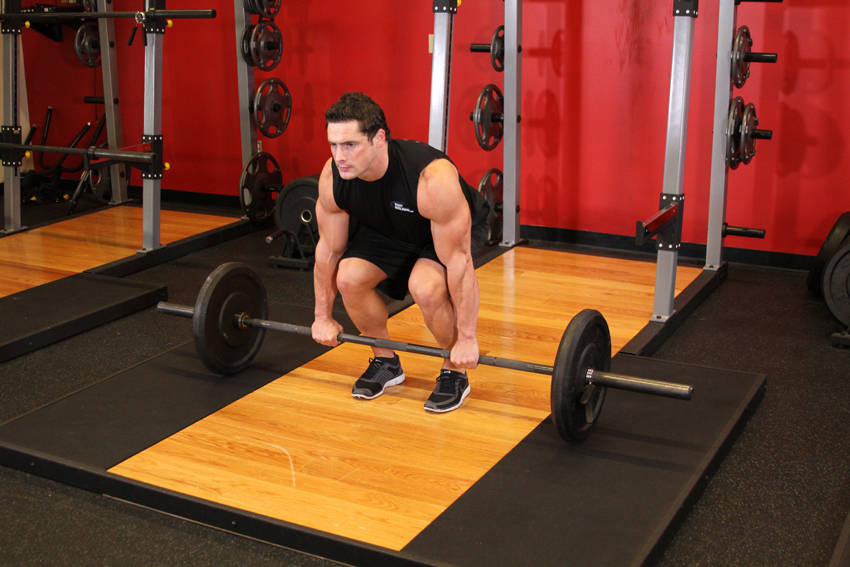
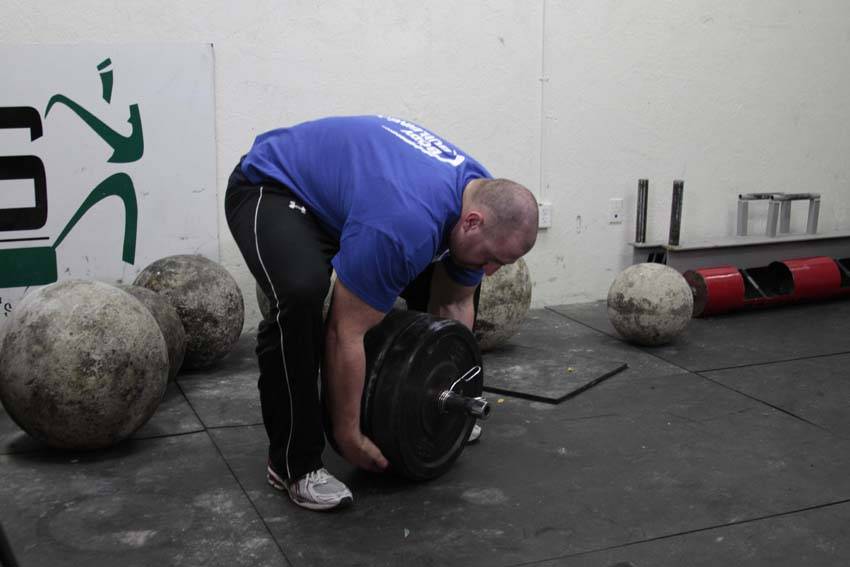
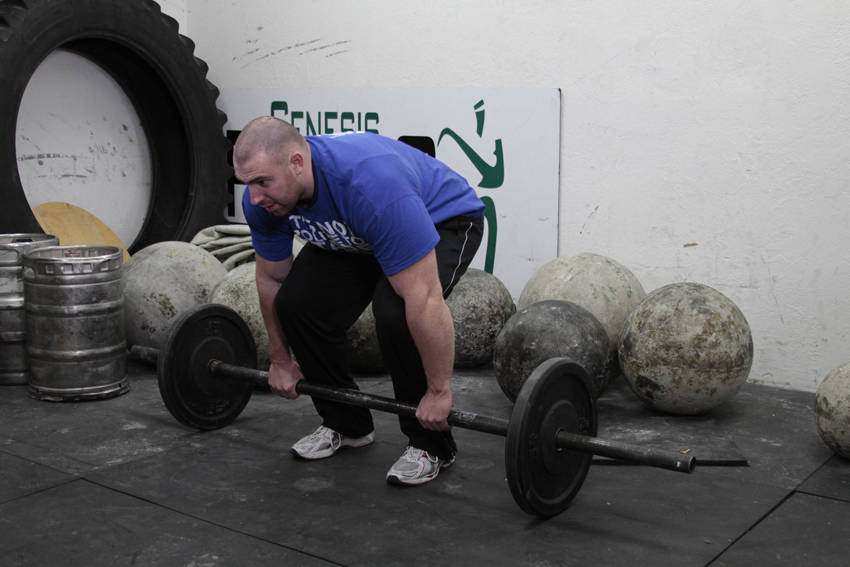
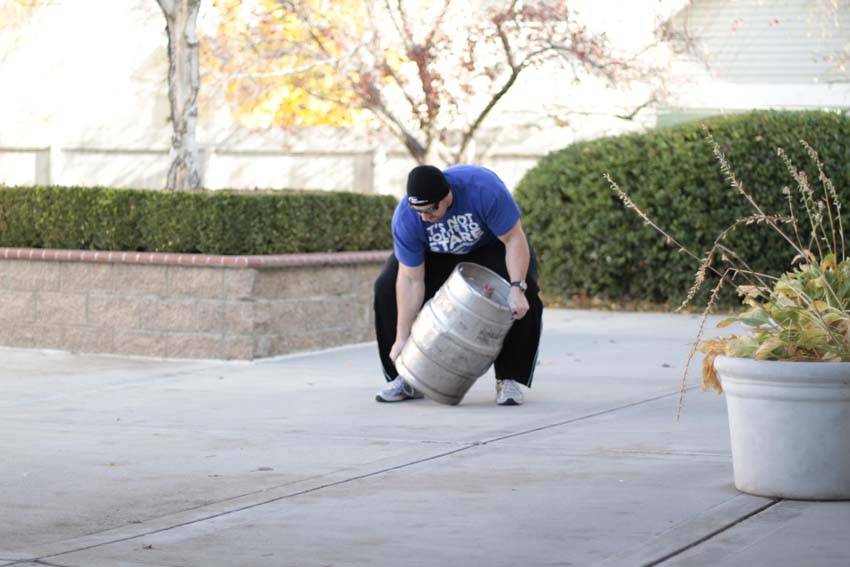
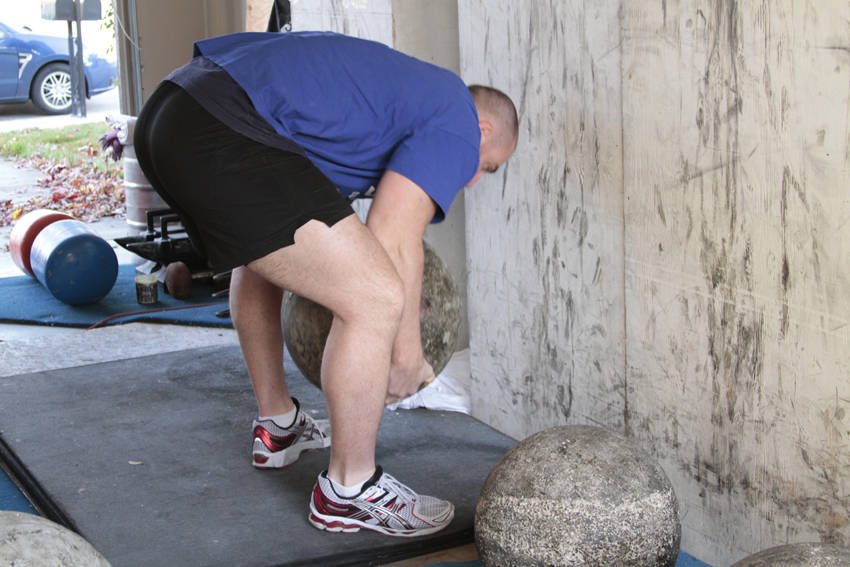
Begin with the atlas stone between your feet. Bend at the hips to wrap your arms vertically around the Atlas Stone, attempting to get your fingers underneath the stone. Many stones will have a small flat portion on the bottom, which will make the stone easier to hold.
Pulling the stone into your torso, drive through the back half of your feet to pull the stone from the ground.
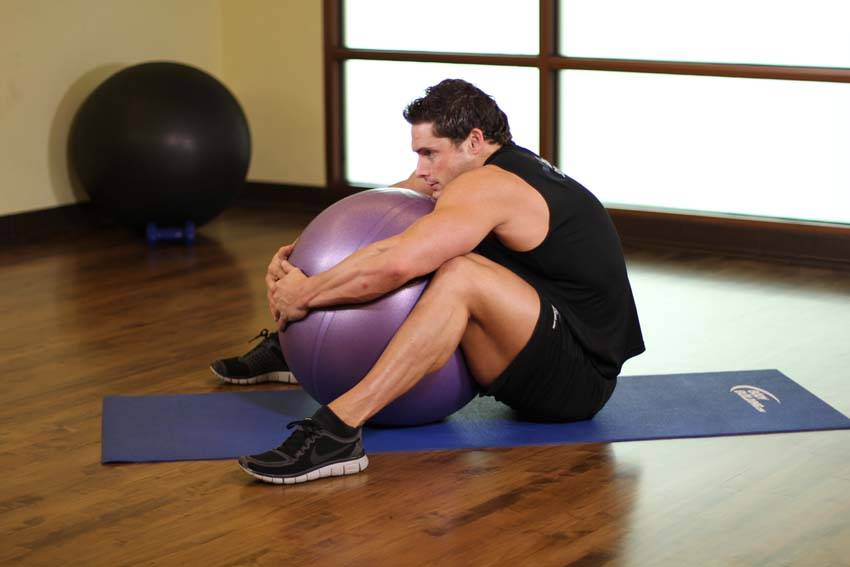
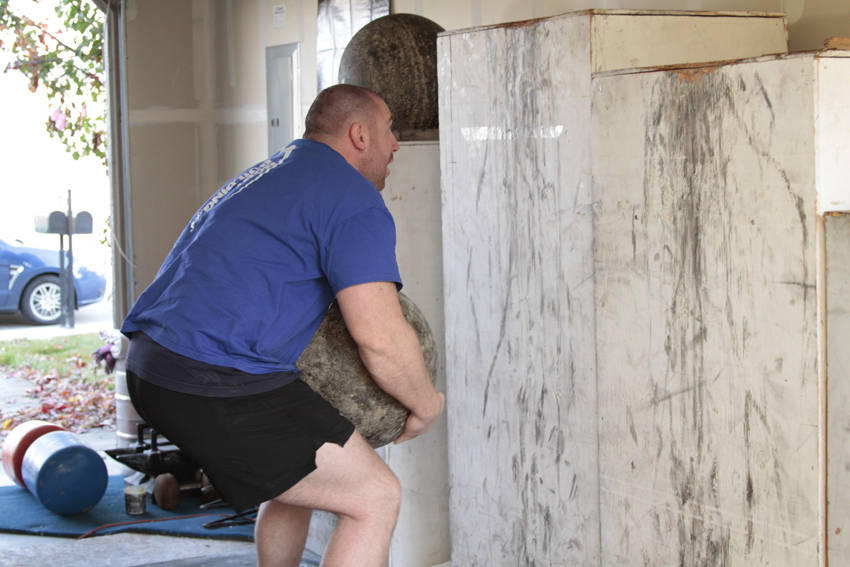
As the stone passes the knees, lap it by sitting backward, pulling the stone on top of your thighs.
Sit low, getting the stone high onto your chest as you change your grip to reach over the stone. Stand, driving through with your hips. Close distance to the loading platform, and lean back, extending the hips to get the stone as high as possible.
Technique guidance
Exhale as you pull through the working range and inhale during the controlled return. Keep the breath steady and avoid straining with a prolonged breath hold.
General guidance based on the exercise and equipment. It is not personal coaching or medical advice.
Your progress
Keep the same other setup, range of motion and recording method when comparing Atlas Stones sessions.
Weight, repetitions and completed sets.
Example: 3 sets of 8 reps at 30 kg. Next time, record the actual result, even if it is the same.
Look for more repetitions at the same weight, or a heavier weight for comparable repetitions. Total weight lifted also changes when you add sets, so it is not a strength score.
Read the tracking guideThe examples show how to keep a record. They are not workout targets or a personalised training plan.
See how Jijibisha tracks your progressMuscles
Muscle guide
Lower Back is the primary muscle group. The lighter highlights show the supporting muscles involved in the movement.
Swap it
Different equipment, same muscle
These movements also target the lower back using something else.
Related
Related movements
Get the app
Add it to a routine, record every completed set, and keep the workout saved on your phone even when the gym has no reception.