Breathing
Exhale through the abdominal effort and inhale during the controlled return. Keep the neck relaxed and do not hold your breath.
Getting your next view ready…
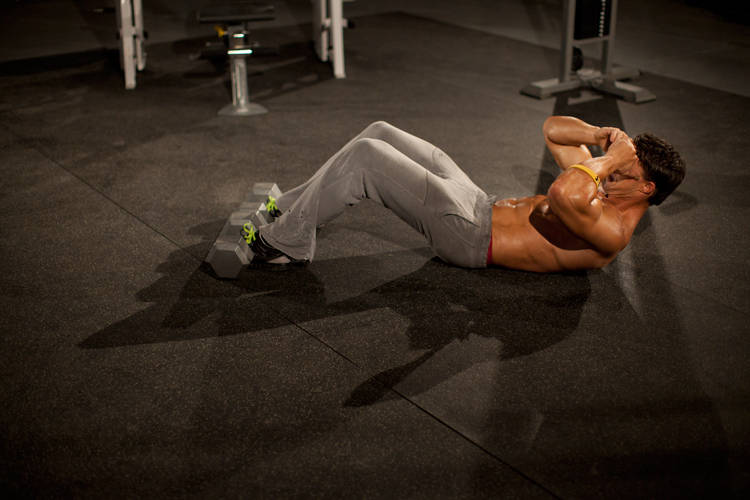
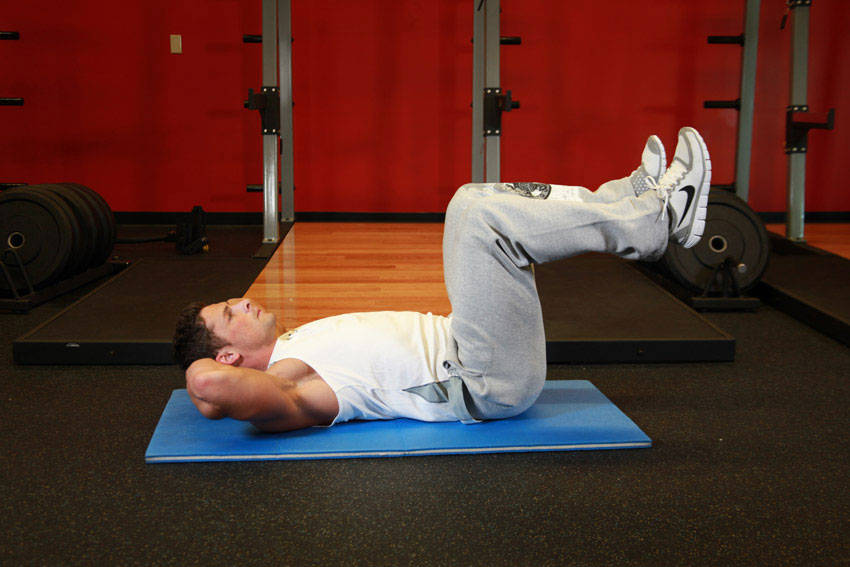
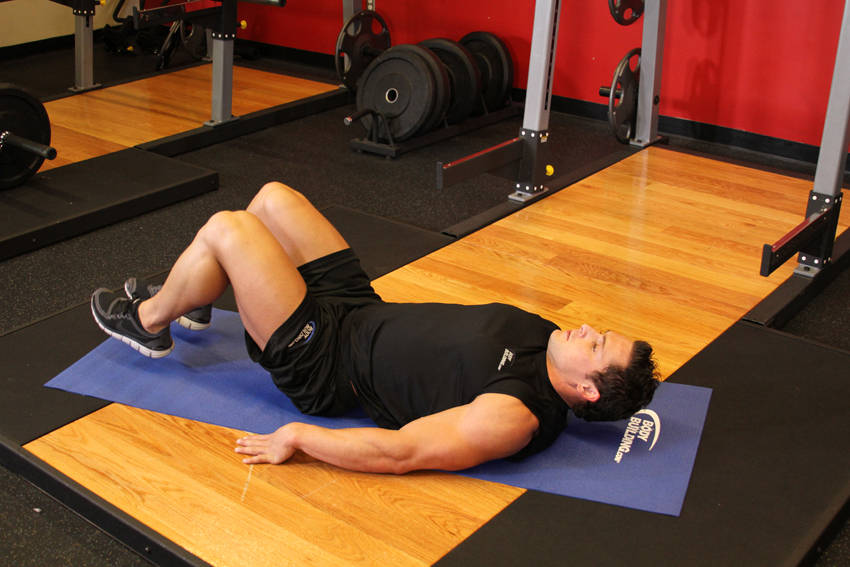
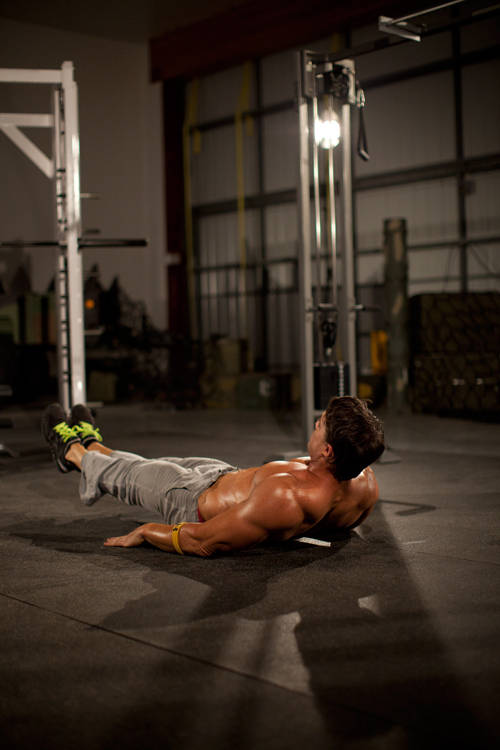
The Decline Oblique Crunch primarily works the abdominals. It is a strength movement that needs no equipment.
 1 / 2
1 / 2How to
Movement instructions
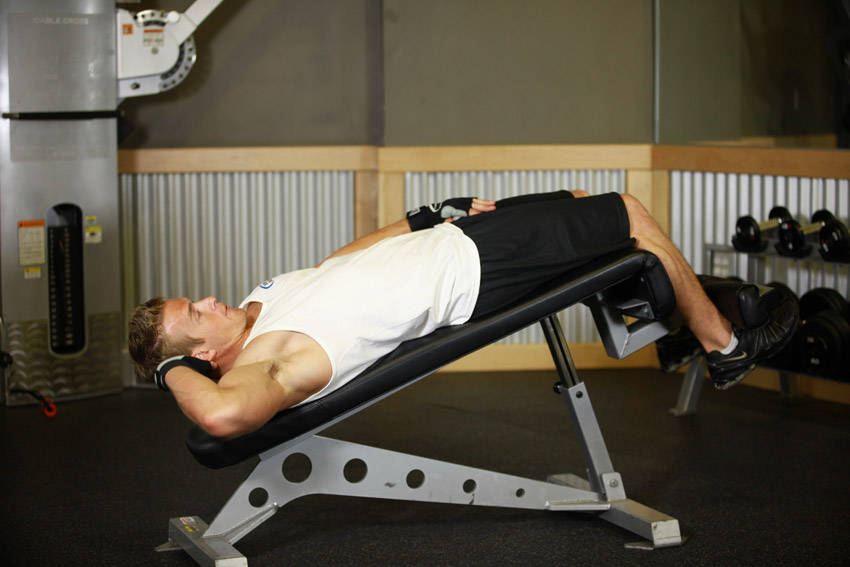
Secure your legs at the end of the decline bench and slowly lay down on the bench.
Raise your upper body off the bench until your torso is about 35-45 degrees if measured from the floor.
Put one hand beside your head and the other on your thigh. This will be your starting position.
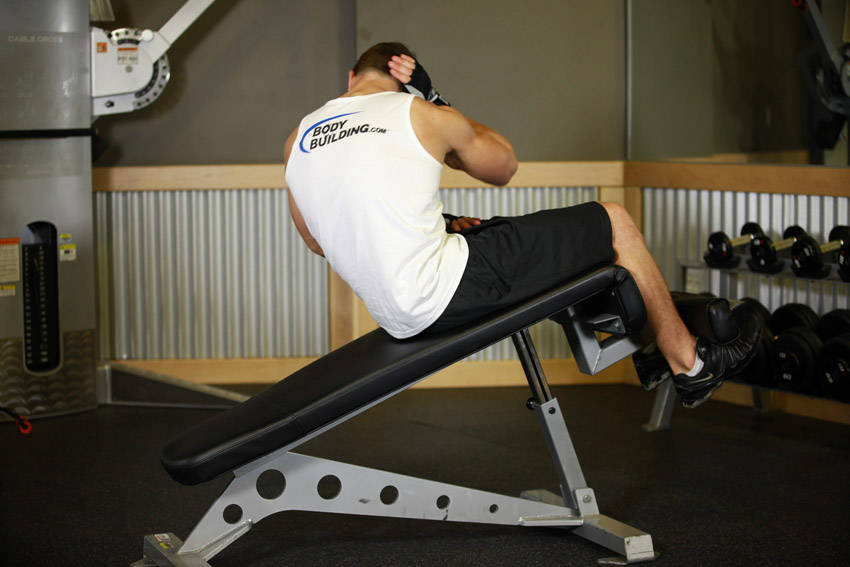
Raise your upper body slowly from the starting position while turning your torso to the left. Continue crunching up as you exhale until your right elbow touches your left knee. Hold this contracted position for a second. Tip: Focus on keeping your abs tight and keeping the movement slow and controlled.
Lower your body back down slowly to the starting position as you inhale.
After completing one set on the right for the recommended amount of repetitions, switch to your left side. Tip: Focus on really twisting your torso and feeling the contraction when you are in the up position.
Technique guidance
Exhale through the abdominal effort and inhale during the controlled return. Keep the neck relaxed and do not hold your breath.
General guidance based on the exercise and equipment. It is not personal coaching or medical advice.
Your progress
Keep the same exercise variation, range of motion and recording method when comparing Decline Oblique Crunch sessions.
Repetitions and completed sets.
Example: 10, 9 and 8 completed reps. Keep each set separate instead of recording only the total.
Compare repetitions using the same variation and range. A different variation needs its own history; extra reps are not directly comparable if the movement changes.
Read the tracking guideThe examples show how to keep a record. They are not workout targets or a personalised training plan.
See how Jijibisha tracks your progressMuscles
Muscle guide
Abdominals is the primary muscle group. The lighter highlights show the supporting muscles involved in the movement.
Swap it
Different equipment, same muscle
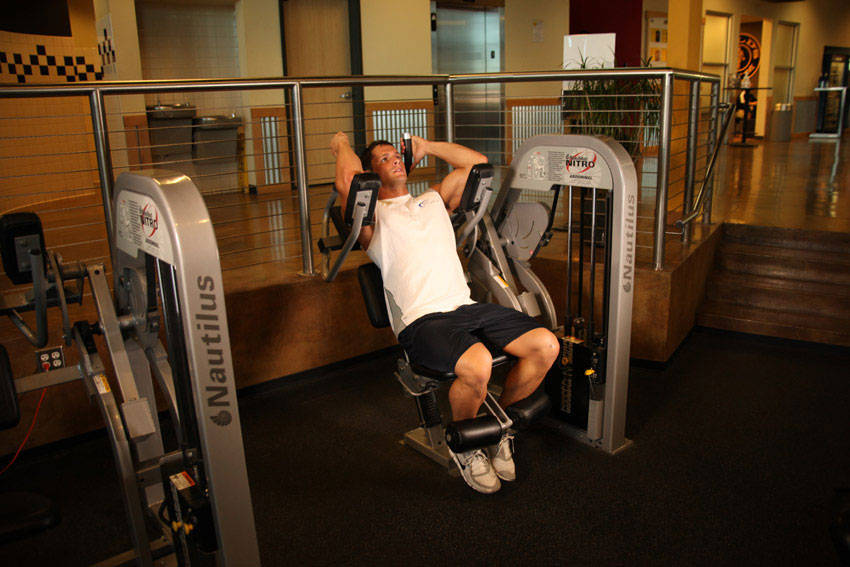
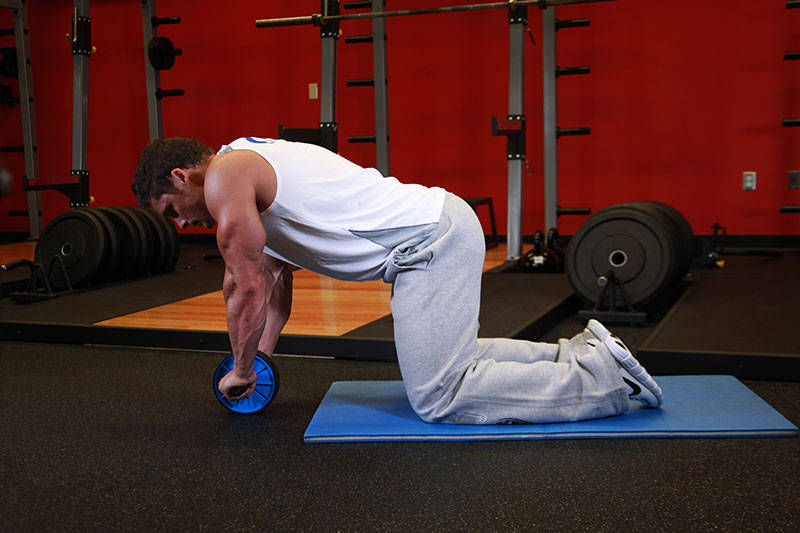
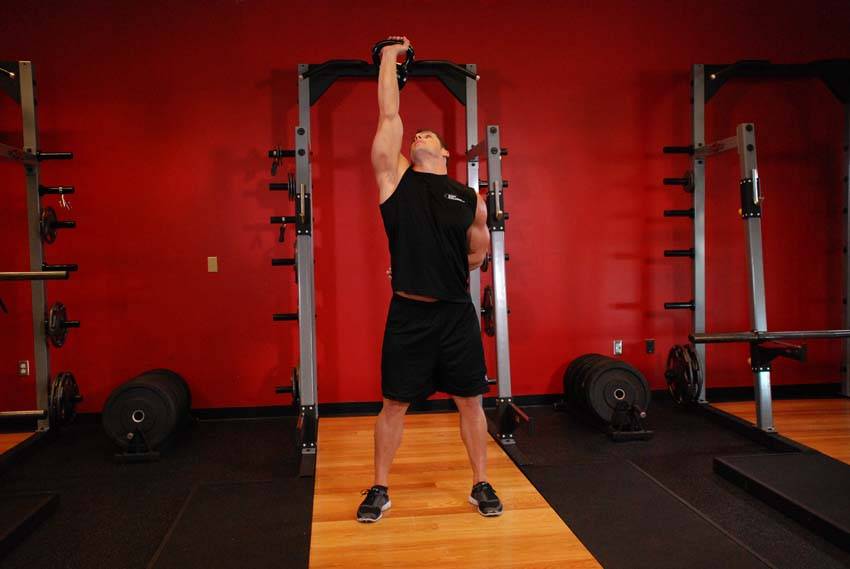
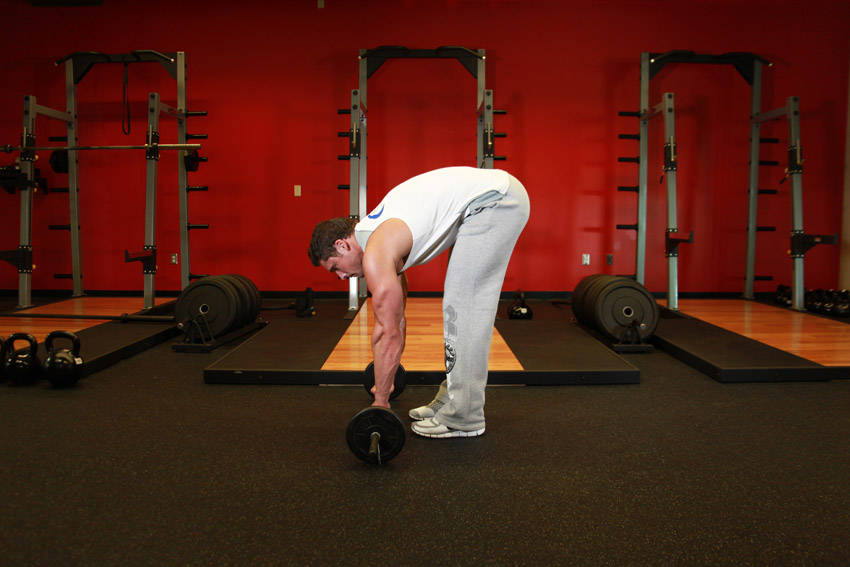
These movements also target the abdominals using something else.
Related
Related movements
Get the app
Add it to a routine, record every completed set, and keep the workout saved on your phone even when the gym has no reception.